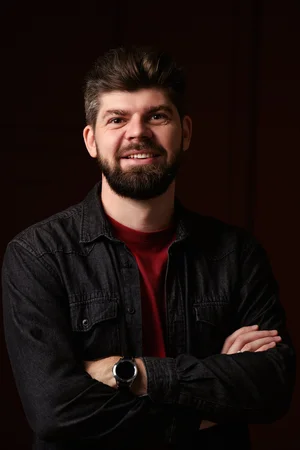
Hands, shoulders, chin, expression: trying to think about everything at once can make a simple pose feel complicated. During a boudoir session, I break the direction into smaller adjustments, so you have one thing to work with at a time.
These tips explain some of those adjustments. You can use them to understand the process before your shoot; I will guide the posing during the session.
Start with a position you can comfortably hold
A standing pose might begin with shifting some weight onto one leg. A seated pose might begin with the angle of the chair or how you are supported. Once that base feels comfortable, we can change the shoulders, hands or direction of the face.
A slight turn or change in weight can alter the lines in the photograph. There is no single arch, body shape or angle to reproduce. The pose should suit your proportions, comfort and the frame we are making.
Give the hands a simple job
Hands often settle more easily when there is a clear action: rest one on a thigh, hold the edge of a robe or lightly touch a chair. Keep the fingers soft rather than gripping or pressing hard.
We can then adjust one detail, such as a wrist angle or how far a hand sits from the body. You do not have to solve the whole pose yourself.
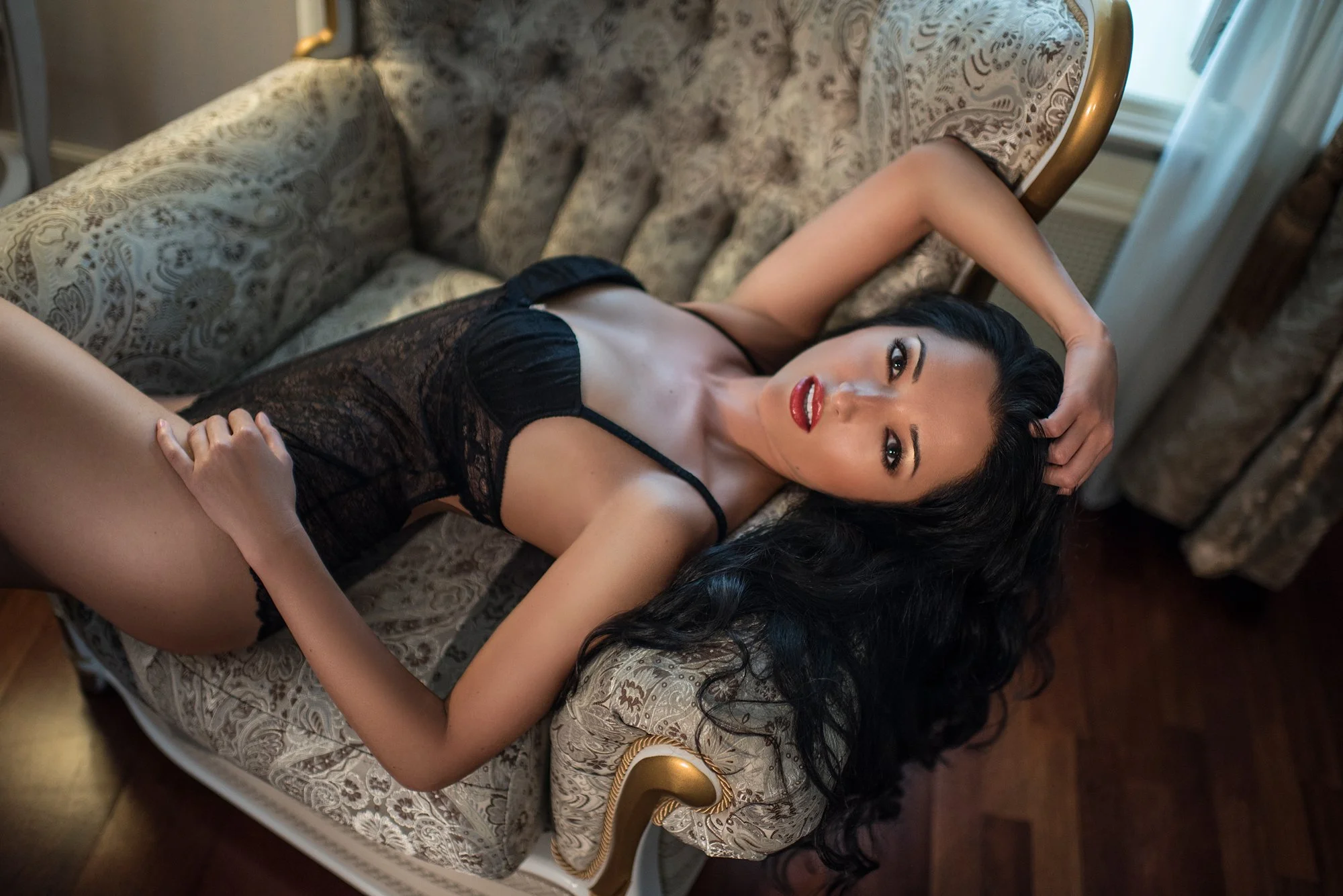
Let the expression follow the photograph
A smile, a neutral expression or a glance away from the camera can each belong in a boudoir series. There is no need to hold the same expression through every frame.
I will guide the angle of your face in relation to the light and camera. A small chin adjustment can change a portrait, but its effect depends on the camera position and the person; a downward tilt is not a universal instruction.

Use the room for support and variation
A chair, wall or bed can give a pose a starting point. Leaning, sitting or reclining changes how the body is supported and opens up different ways to frame the photograph.
Fabric can add another small action: holding a robe, letting a sleeve fall or arranging a sheet. We will work within the coverage you have chosen and adjust the position if it feels awkward.
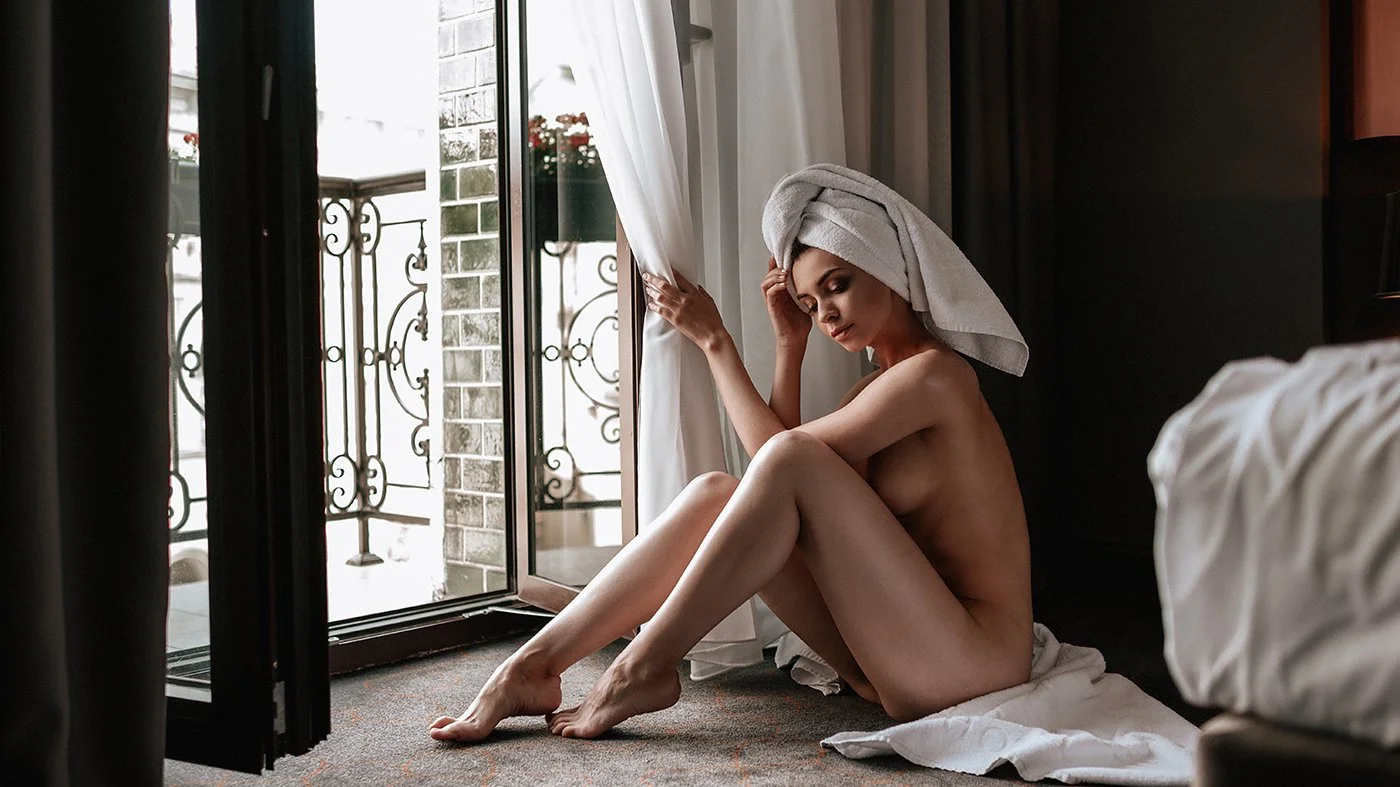
Change one thing, then take a break
Once a position works, a new photograph may only need a change of gaze, a hand movement or a different crop. Starting again from scratch for every frame is not always necessary.
Breathe normally and let me know when you want to reset or pause. If you are concentrating so hard on a pose that you feel tense, we can simplify it, change the support or move to another position.
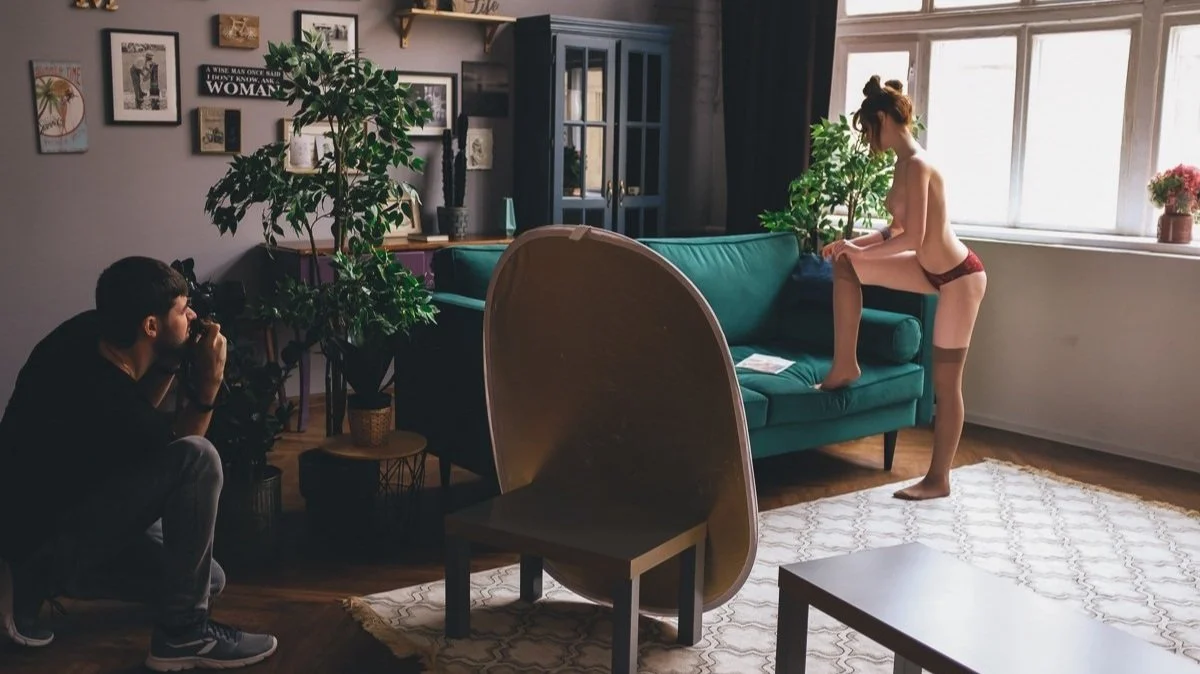
Prepare for your session
For clothing, packing and what to expect, use my free Boudoir Planning Kit. You can also explore guided boudoir sessions or tell me what you would like to create.
For photographers: my paid Boudoir Posing Guide is a separate resource about directing clients. The current edition contains 145 pages and 30 pose foundations, with directing cues and variations. It is designed for the person behind the camera.