Construction progress photography for ELM Developments & Leader Lane Developments
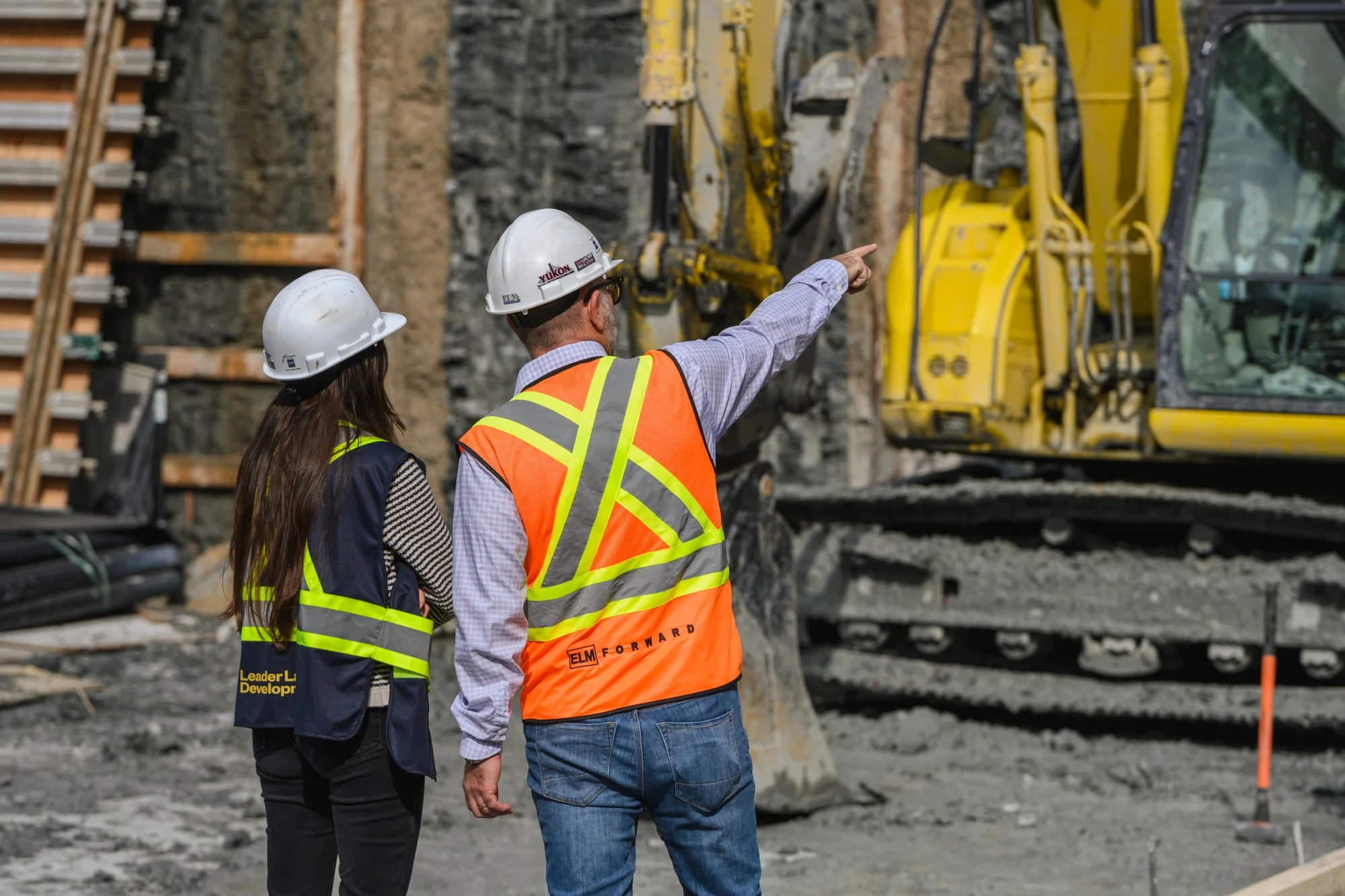
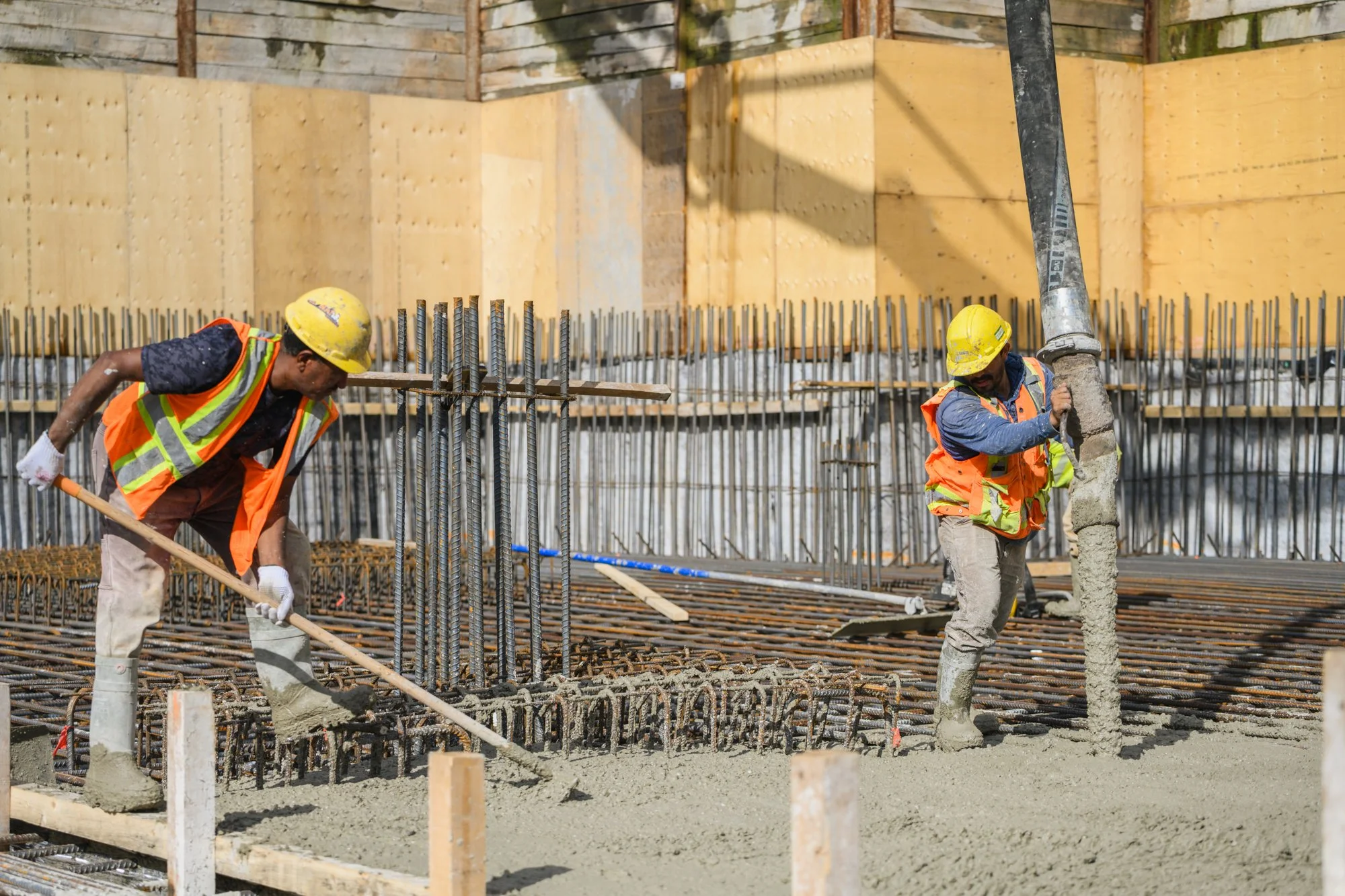
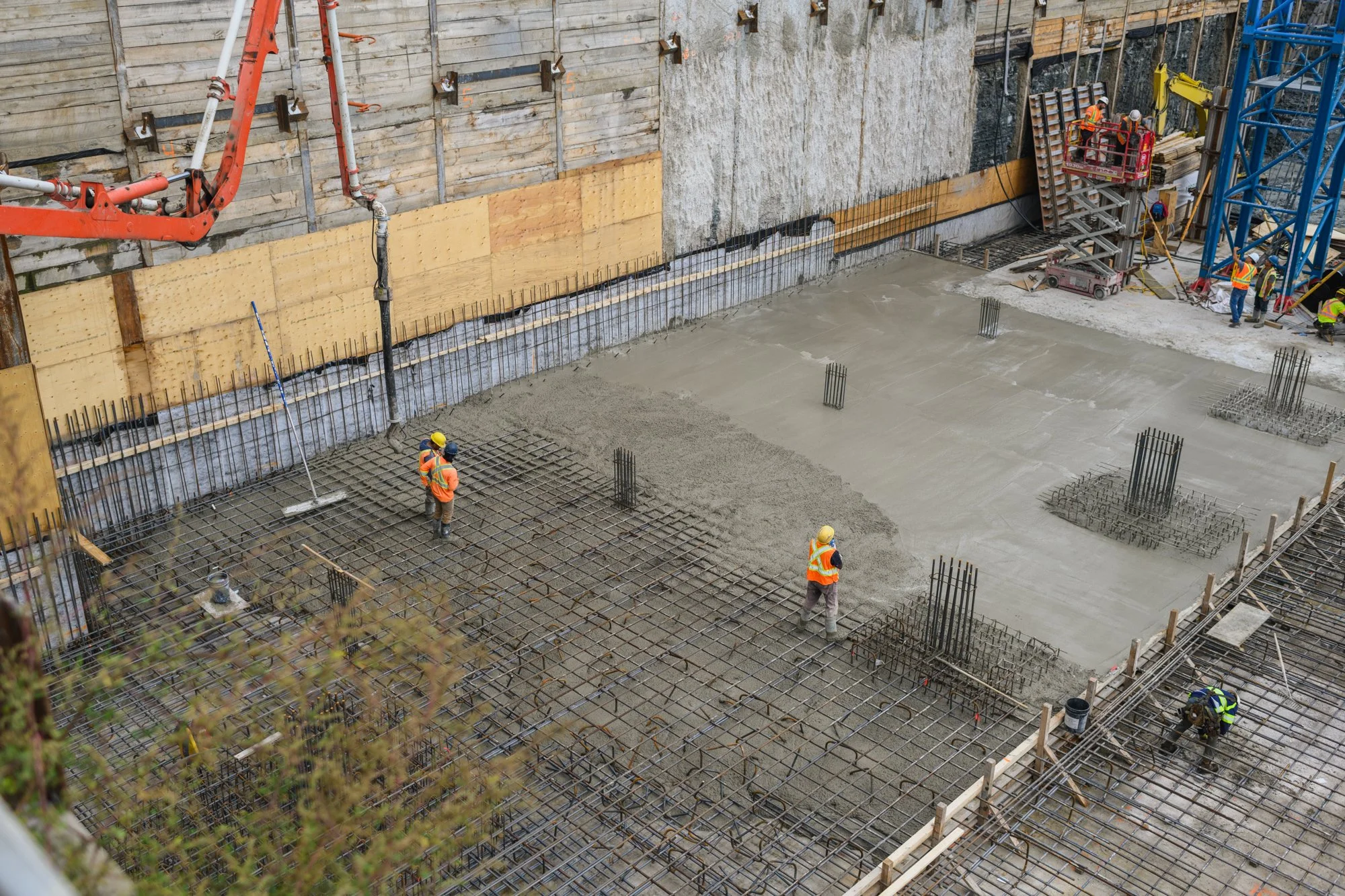
The rebar grid would soon disappear under concrete. That was part of what I wanted to record during this morning in Etobicoke: the structure before it was covered, the pour itself and the people making it happen.
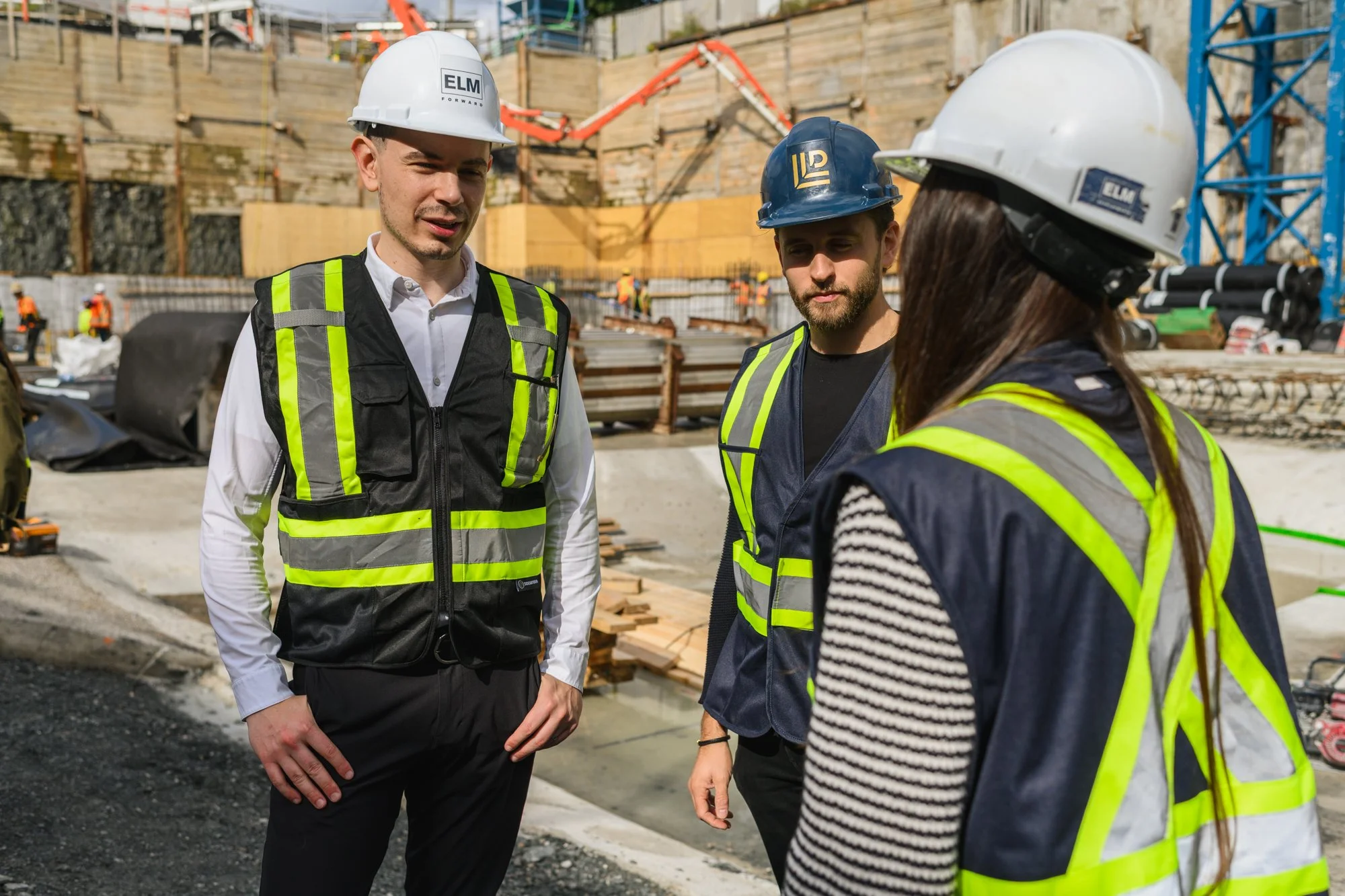
Crews were starting the foundation pour for a new condominium by ELM Developments and Leader Lane Developments. I moved between wider views, working details and quick portraits, keeping the photographs connected to the activity on site.
What I wanted the photographs to show
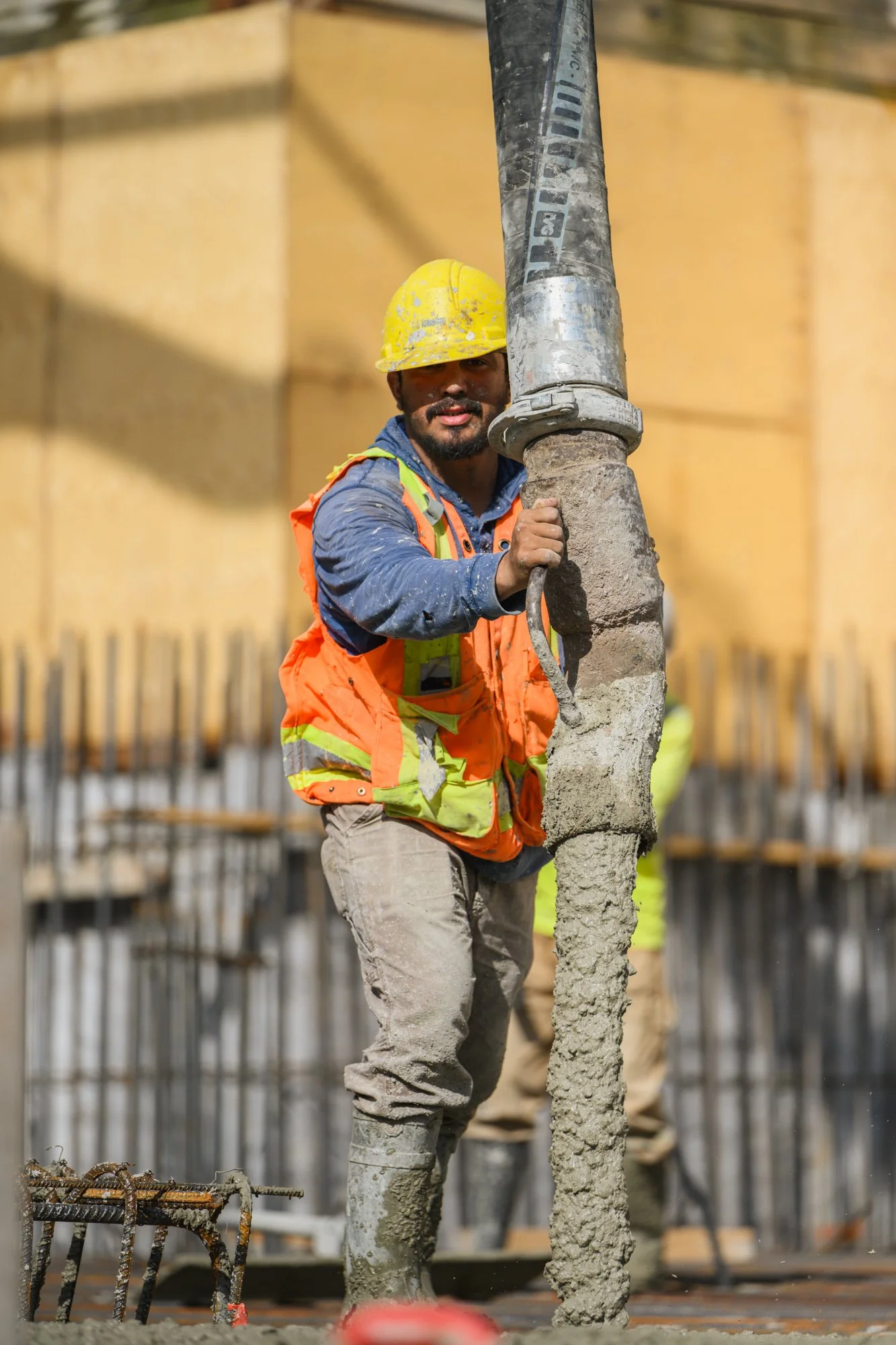
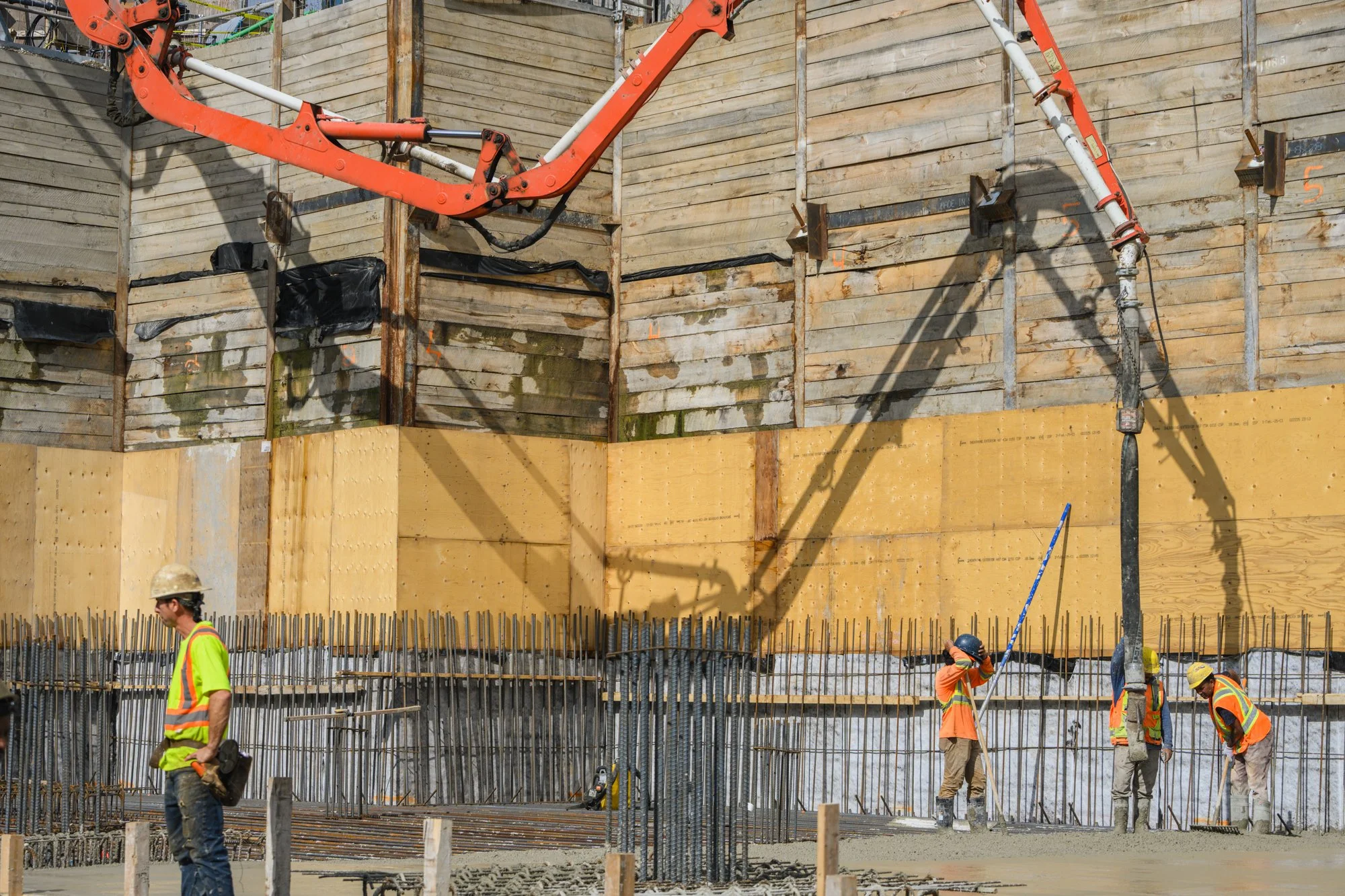
The pour in motion: the pump over the pit, the hose at work and the texture of the concrete.
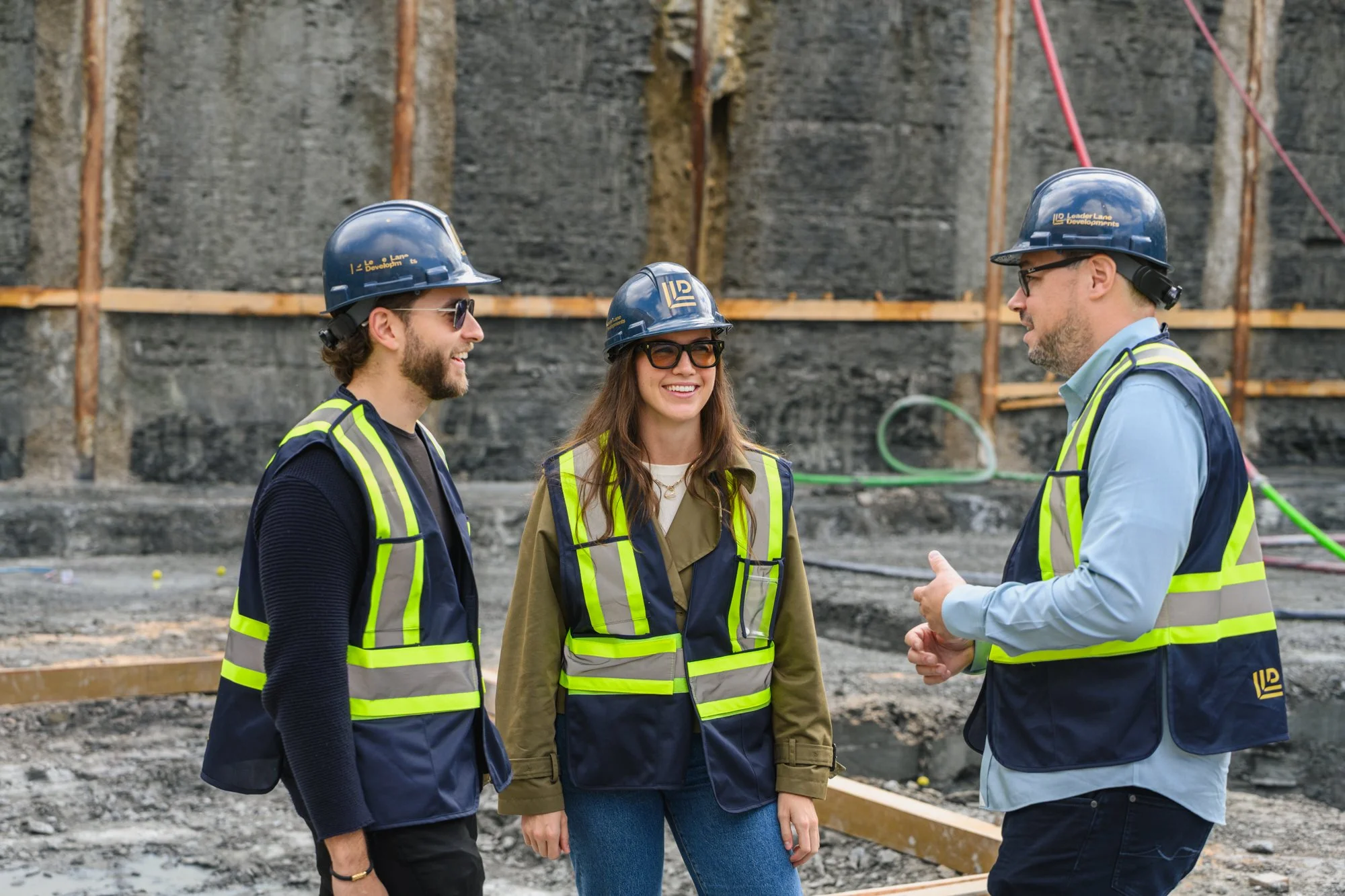
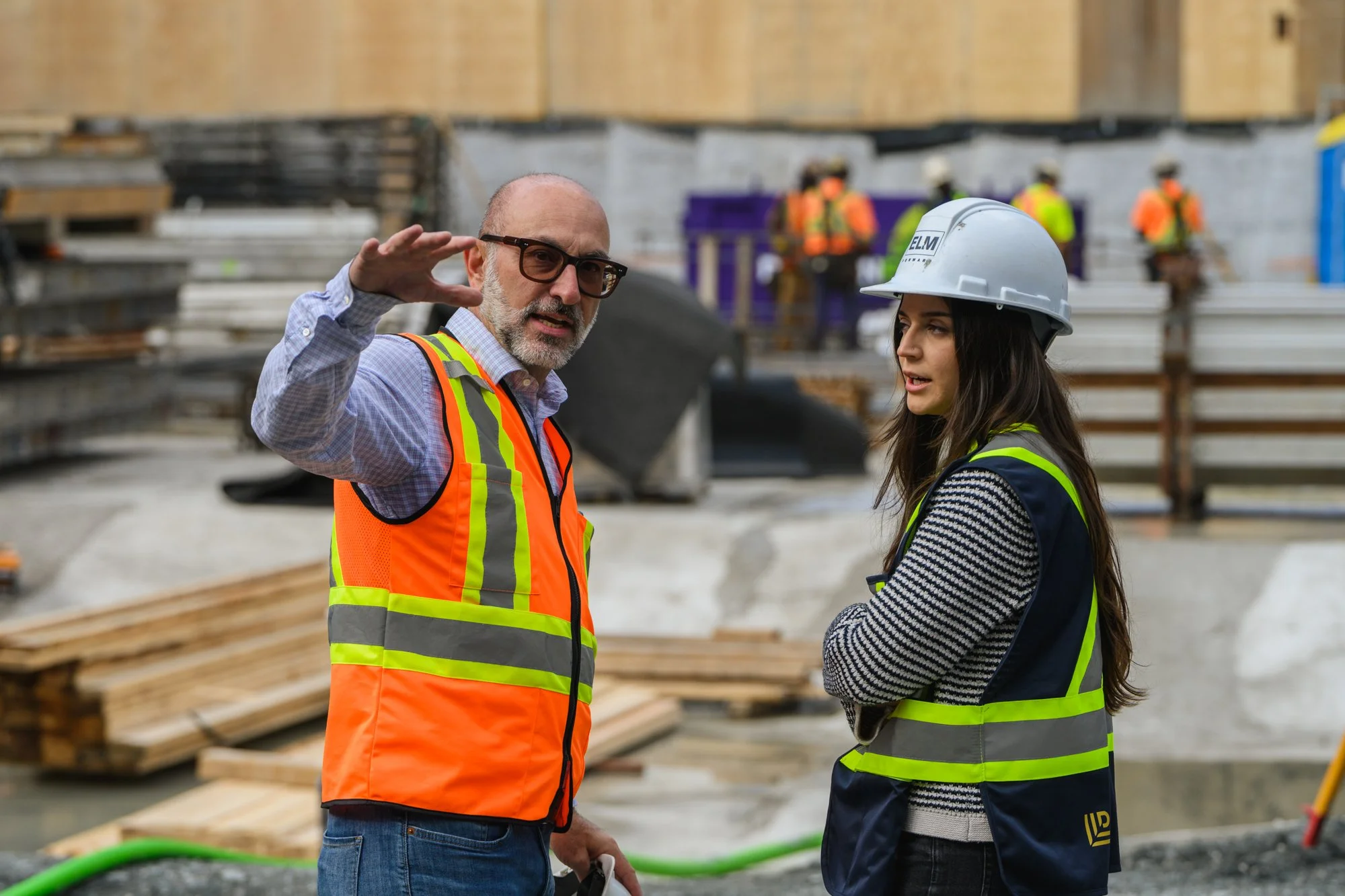
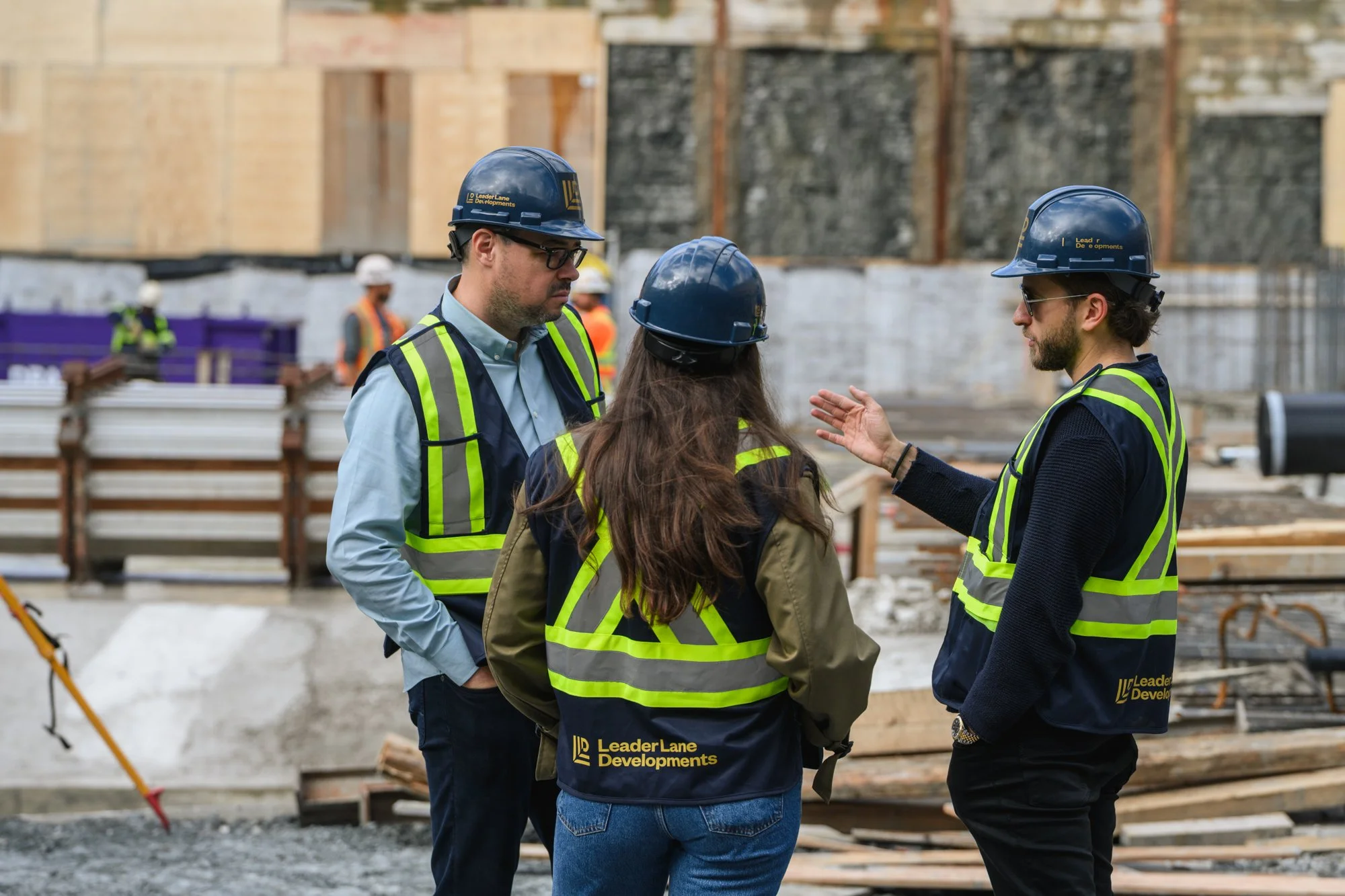
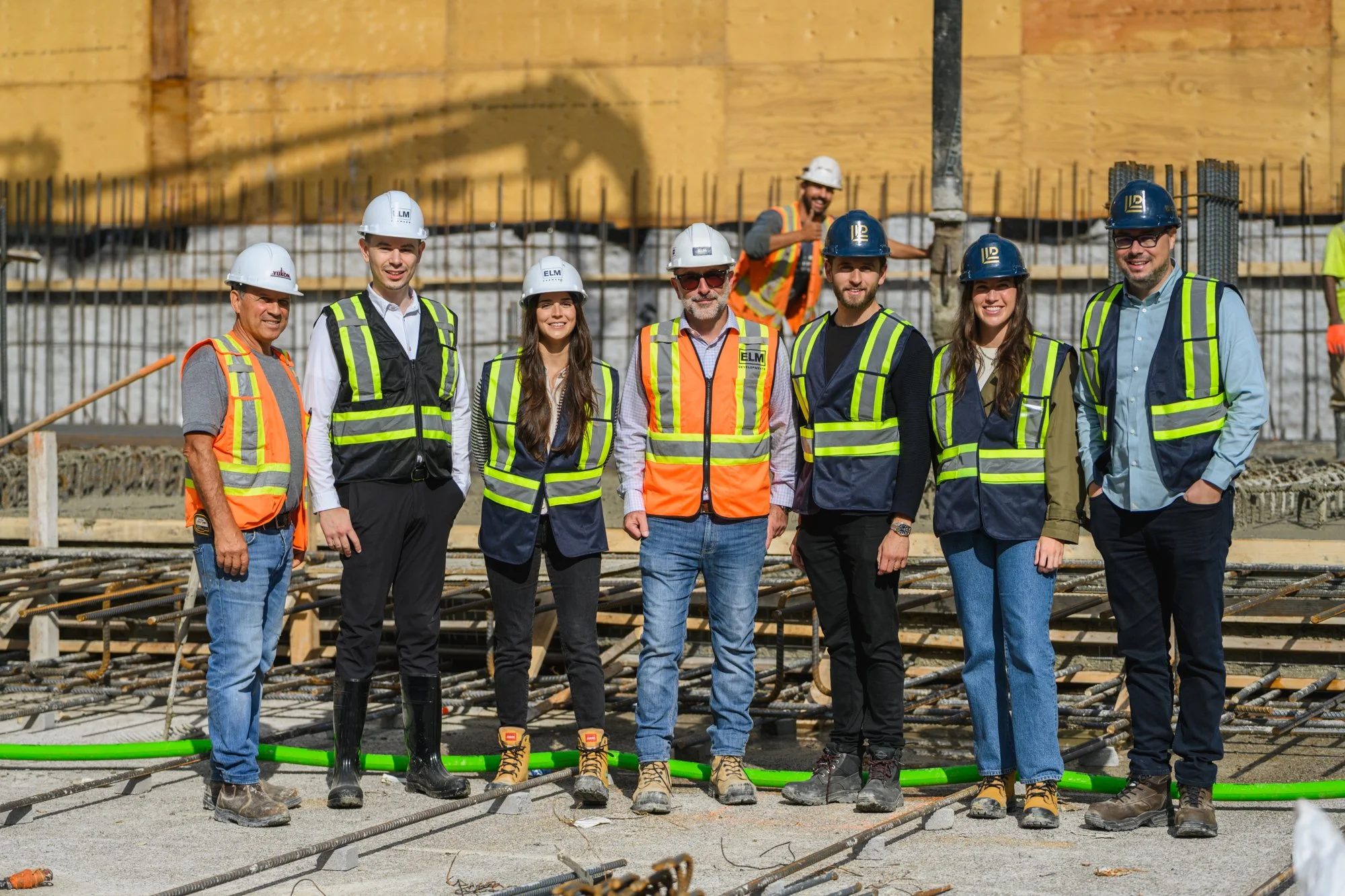
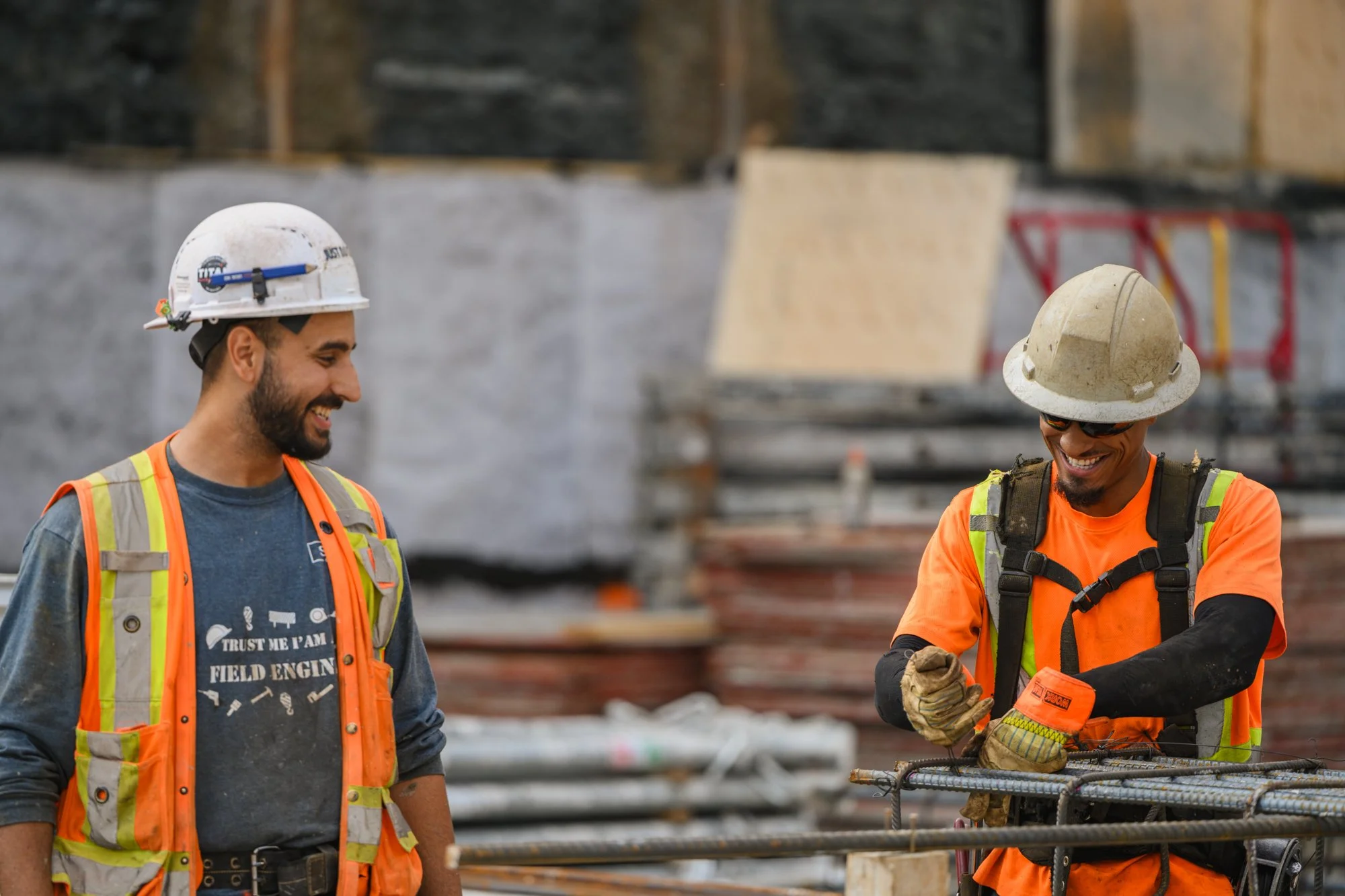
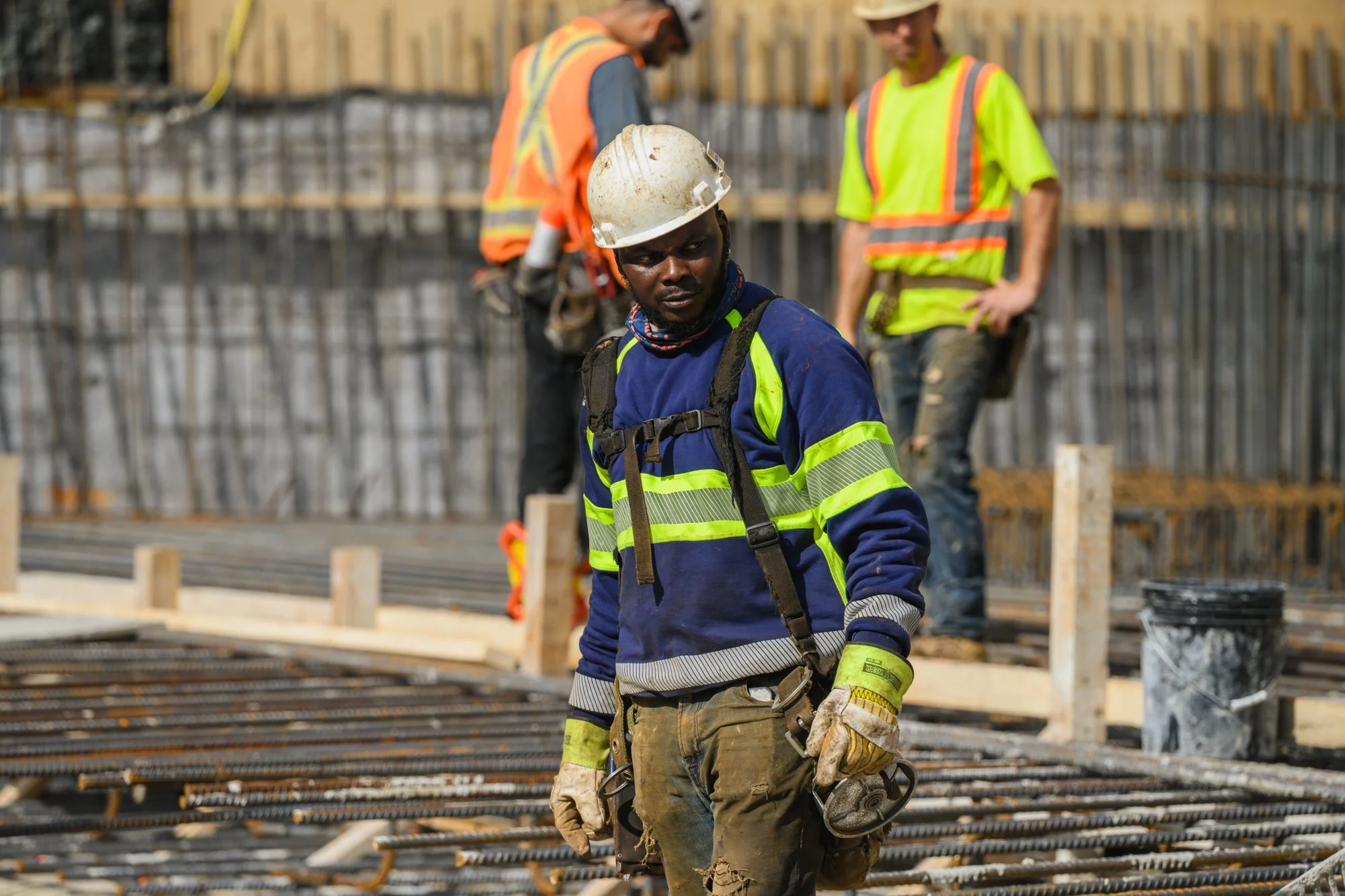
The people: candid moments and quick portraits between tasks.
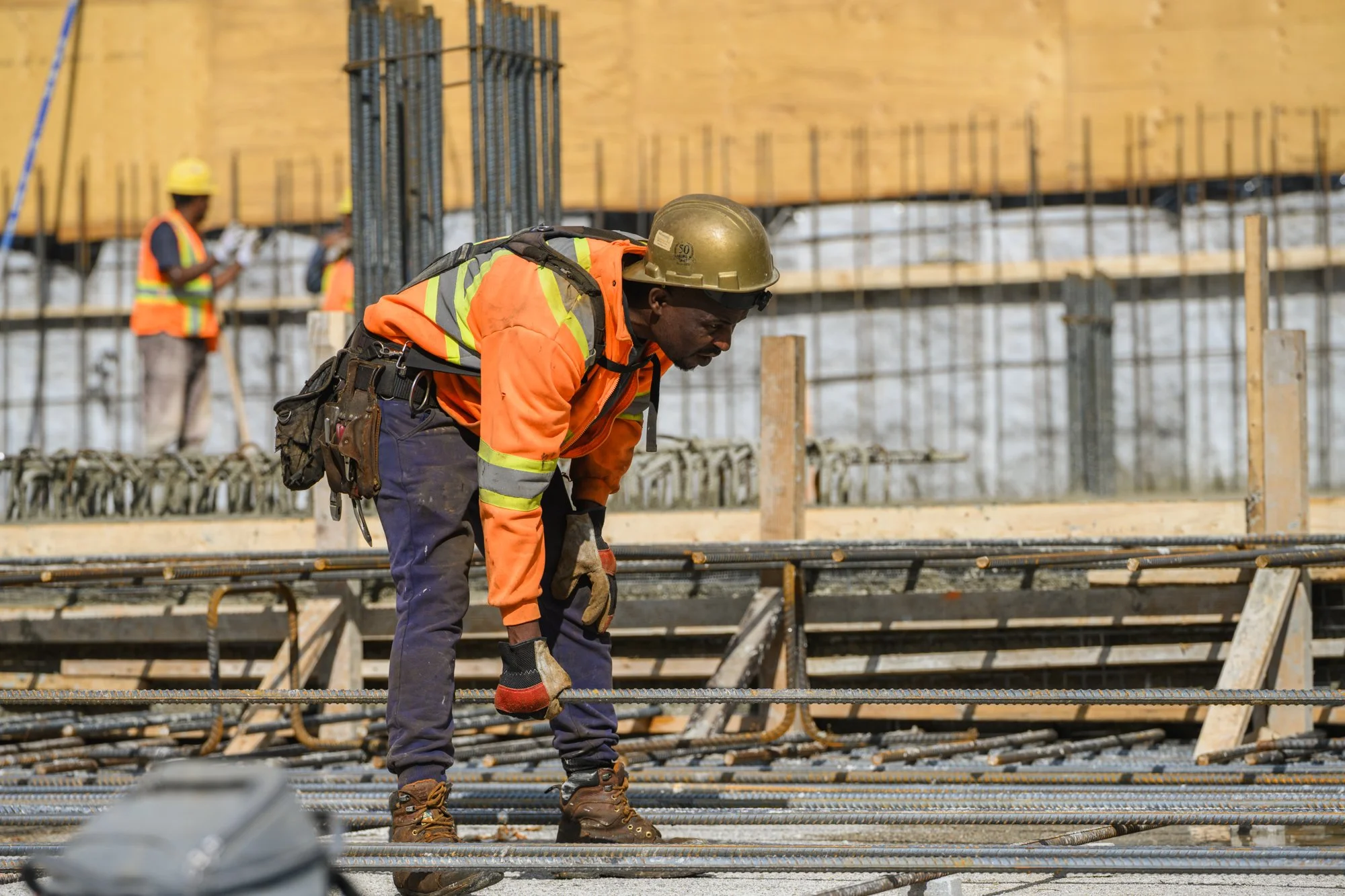
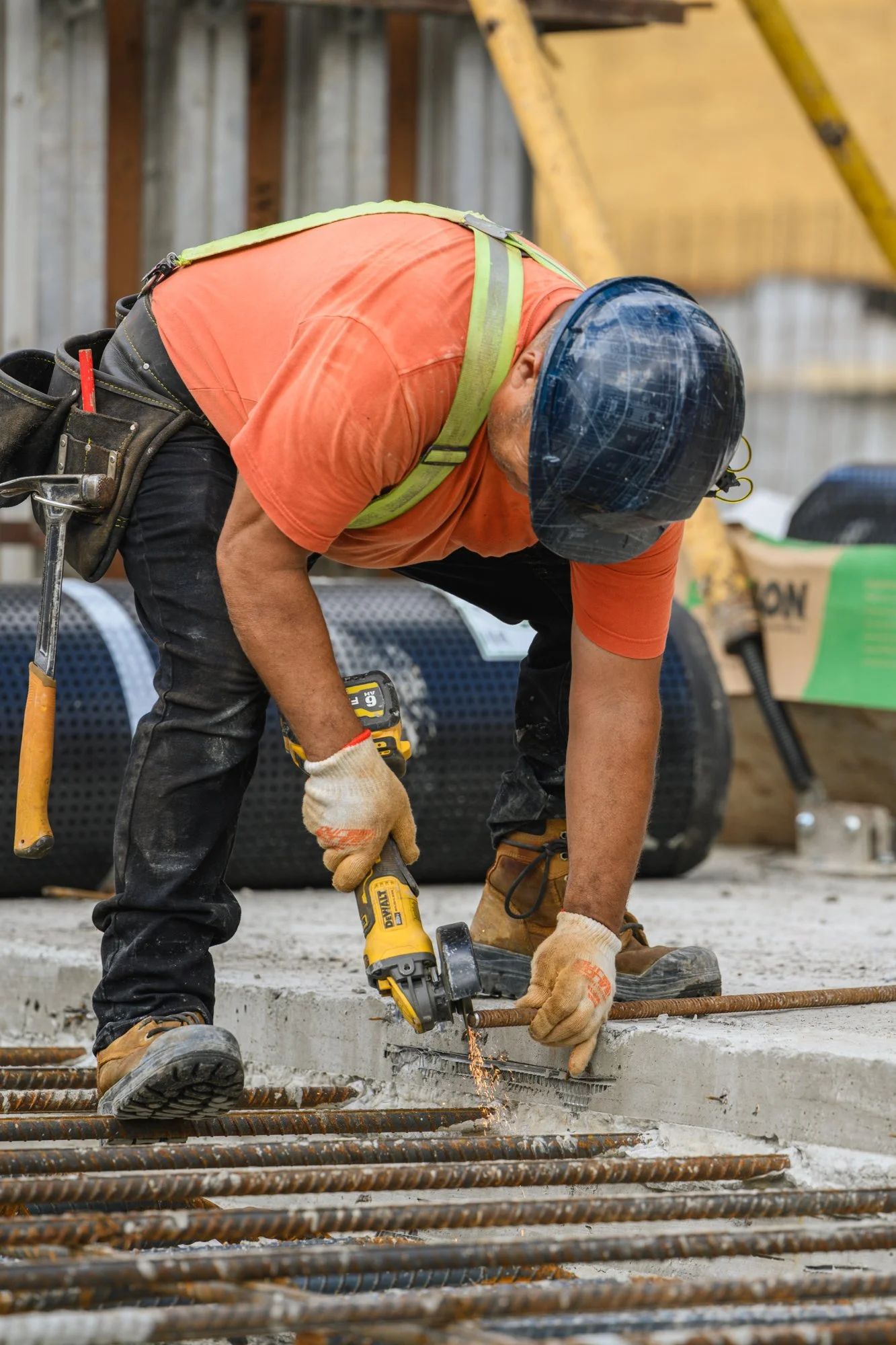
The structure: rebar grids, forms, columns and the geometry before the concrete covered it.
The working conditions: mud, dust and changing light as part of the record.

Recording a stage that will be hidden
Once the pour is complete, some of the details in these photographs are no longer visible. Recording them gives the project a timeline beyond the finished building.
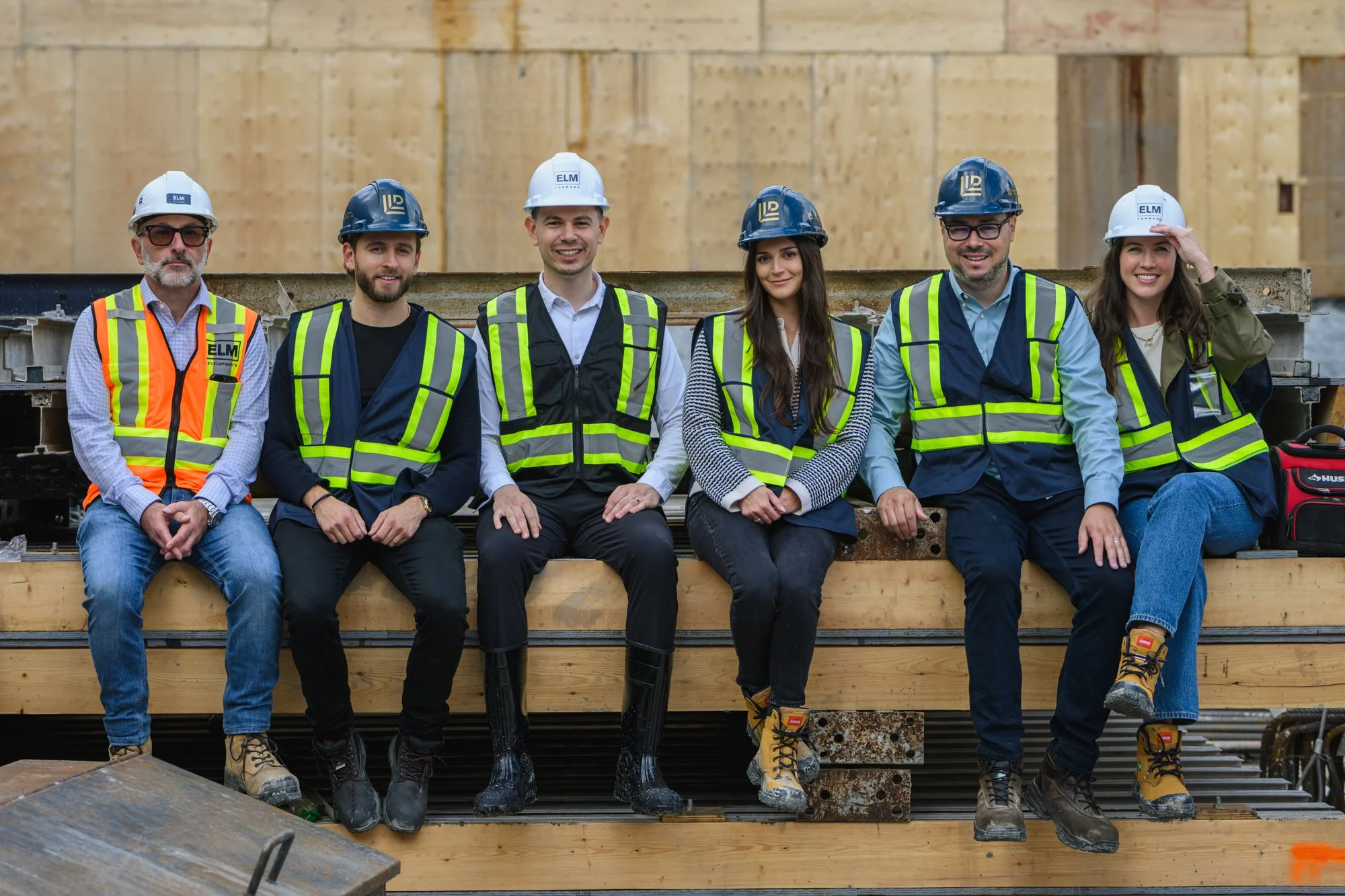
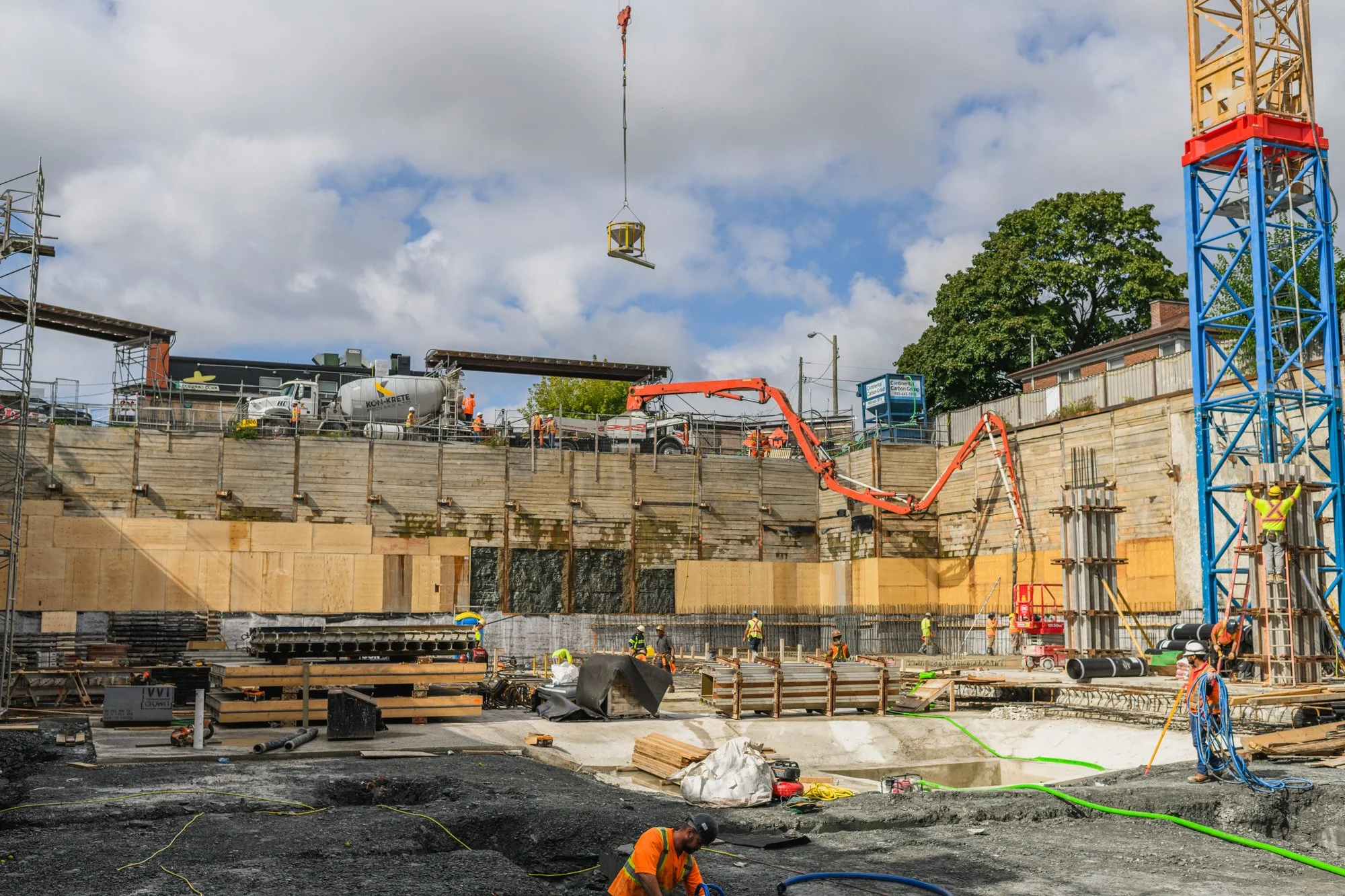
A useful set includes more than a wide progress photograph. Views of the whole site explain scale; action and detail photographs show what happened; portraits put the crew and project team into that record. Those different frames can support project updates, presentations and social posts.
Working around an active pour
The work set the pace. I kept my kit compact and fitted the photographs around pump movements, finishing and the areas available for photography. The aim was to document the activity without interrupting it.
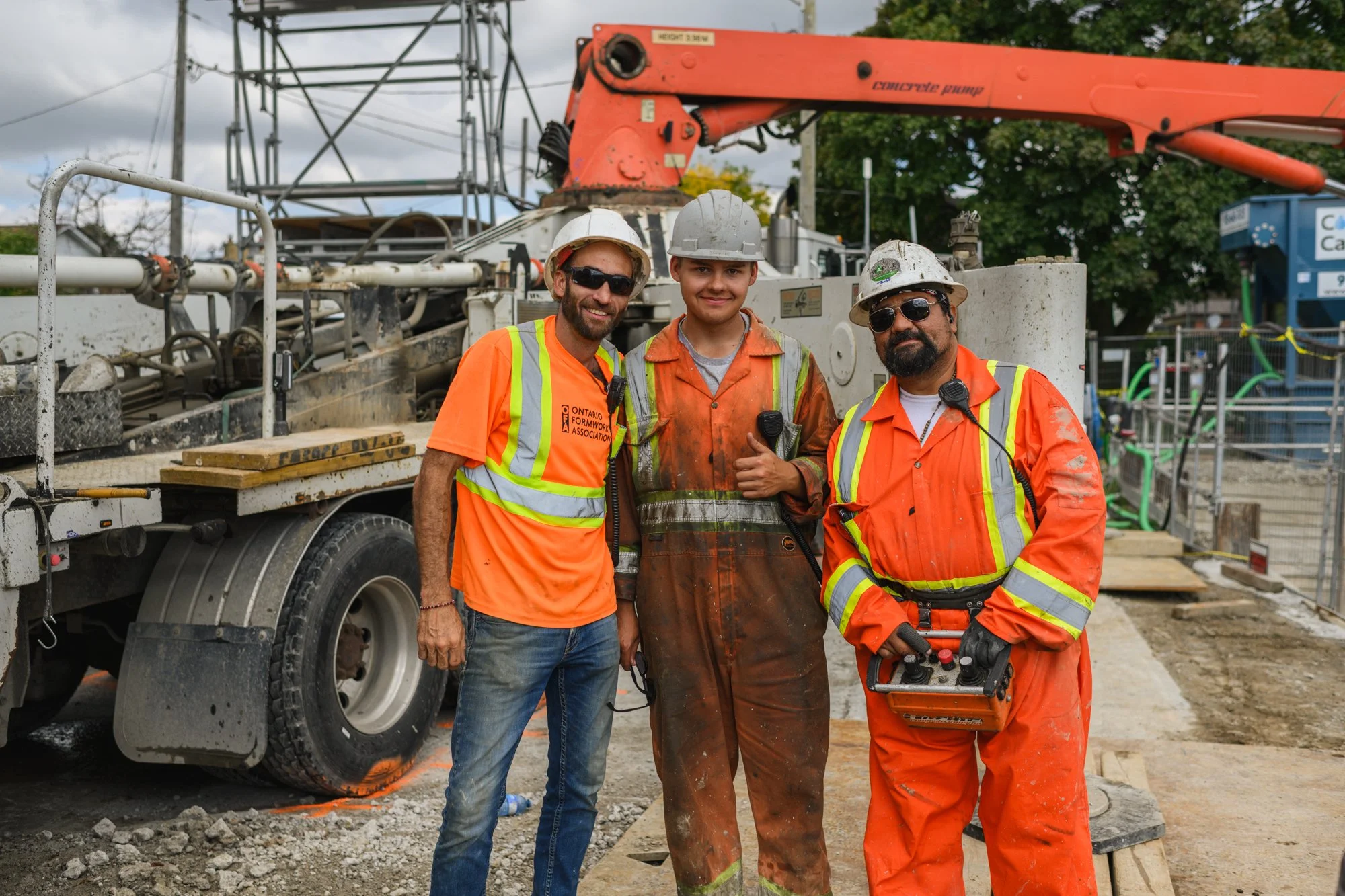
Quick portraits needed to fit between tasks. Clear communication and a small setup mattered more here than building a separate portrait station.
Changing light and construction lines
I watched the sun and used the softer light during passing cloud for faces. Wider frames needed attention to vertical lines so the structure remained easy to read.
For the moving concrete and equipment, a faster shutter helped hold the action. In editing, I balanced colour around skin tones while keeping the high-visibility clothing distinct.
Camera notes
I used a Nikon Z7II with a small set of lenses:
35 mm for people within the wider scene.
70–180 mm for more distant details and tighter framing.
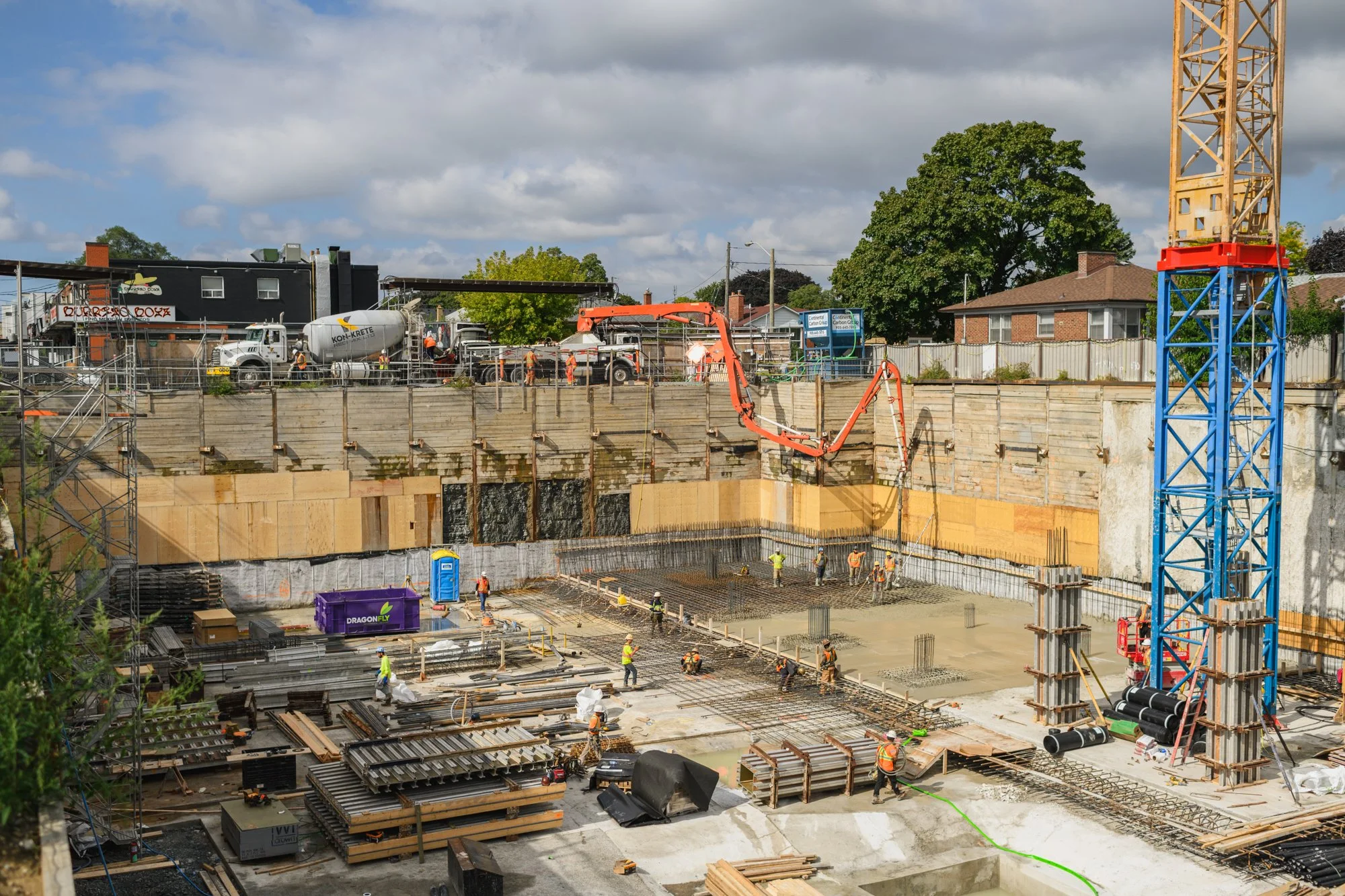
A wider lens for views across the pit.
Redundant cards and dust covers were part of the setup. After an initial selection on site, I organized the gallery into establishing views, action, details and people.
Reading the morning through a sequence
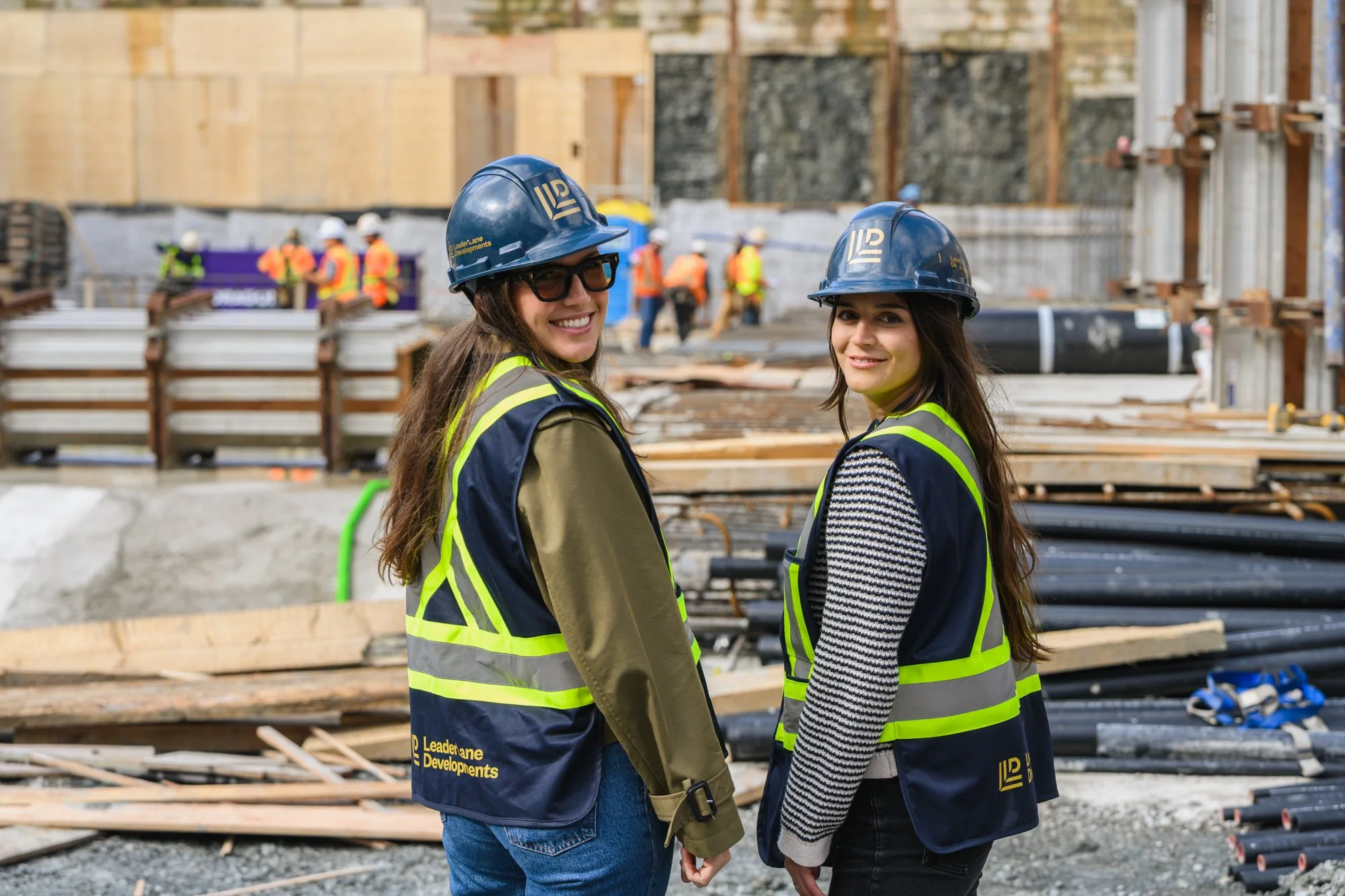
The crew by the pump truck and the project team with the active site behind them give the photographs their human context. The hose, concrete and rebar bring us closer to the work.
Wider views of the crane, pump and forms explain the scale. Looking down onto the grid gives another view of the hose placement and the foundation’s footprint. Together, those perspectives describe the morning more fully than one overview could.



Planning construction progress photography
This was one morning at the beginning of a foundation. The photographs keep that stage visible as the project moves on.
If you need a record of a construction milestone, crew portraits or photographs for project updates, see my business photography or send me the project stage and approximate timing. We can discuss the photographs you need alongside access and the site schedule.