“I have no idea how to pose.” “What if the photographs feel too revealing?” These are useful things to tell me before a boudoir session. They give us something specific to plan around.
You might like the idea of the photographs and still feel unsure about being in them. You do not need to settle every worry before getting in touch. Here are ten common questions, with the practical details I would want you to know before deciding.
1. “I’m not photogenic.”
A photograph depends on more than the person in front of the camera. Light, camera position, posture, expression and timing all affect how it looks.
If you dislike photographs of yourself, tell me what bothers you about them. Perhaps the angle feels unfamiliar, the expression looks forced or you do not know what to do with your hands. Those are more useful starting points than deciding you cannot be photographed. My part is to help with the light and direction; you do not have to arrive knowing your best angles.

2. “I have no idea how to pose.”
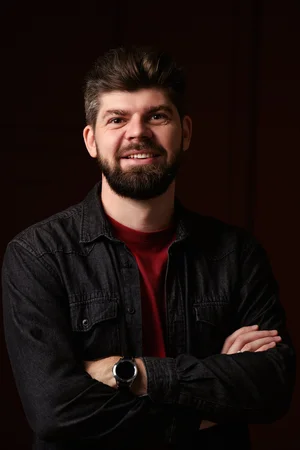
You do not need modelling experience. I demonstrate movements and guide posture, hands and expression throughout the session. A small change in the way you sit, turn or place a hand can give us another photograph without requiring a whole new pose.
We can begin with simple positions and build from there. Tell me if a position feels uncomfortable or difficult to hold so we can change it. There is no benefit in forcing a pose that does not work for you.
3. “I need to lose weight first.”
There is no size requirement for a boudoir session, and you do not need to make a body change to book one. Light, clothing and camera angles help shape the photographs around the person I am photographing.
If there are features you would like to emphasize or keep less prominent, we can discuss that when planning. The decision about when to have photographs taken is yours. A session does not need to be a reward for reaching a target.
4. “What if it feels awkward?”
It may feel unfamiliar at first: a new room, a camera and clothes you would not normally wear in front of someone you have just met. That does not mean anything has gone wrong.
You do not need to hide your nerves or perform confidence. We can keep the first photographs simple while you get used to the direction. If something feels awkward, saying so gives us a chance to change the pose, outfit or pace. There is no deadline for suddenly feeling relaxed.

5. “Will it be too revealing?”
Boudoir does not require nudity. A shirt, robe, sweater, bodysuit or lingerie can each lead to a different kind of photograph. We choose the coverage and mood around what you want.
Reference images are useful for explaining a look, but agreeing to one idea does not mean agreeing to every pose or level of coverage in it. We discuss boundaries before the session, and you can say no to an idea during the shoot. You do not need to justify that decision.

6. “I’m nervous because the photographer is a man.”
That is a reasonable thing to consider when choosing a boudoir photographer. Look at the work, read client reviews and ask the questions that matter to you before deciding whether you want to work with me.
We can discuss the setting, how I give direction, your boundaries and privacy in advance. You should be able to ask about those details without feeling rushed into a booking. If the fit does not feel right, you do not have to push past that feeling.
7. “What should I wear?”

Start with pieces that fit comfortably and suit the mood you want. One well-fitting set and a shirt or robe can be more useful than a suitcase of clothes you are unsure about. You can send me the options you are considering so we can plan them together.
The free Boudoir Planning Kit covers wardrobe, preparation and what to expect. It is a resource for clients considering a session; you do not need to learn a catalogue of poses before coming in.
8. “What if the photographs do not feel like me?”
Planning helps us make the style less of a guessing game. Bring examples you like and explain what draws you to them: soft light, a particular outfit, a quieter expression or a more dramatic mood. Examples you dislike can be useful too.
For Denise’s 30th-birthday session, we discussed her ideas and requested photographs beforehand. That gave the shoot a clear direction. Your own references should help explain your preferences, without becoming a promise to reproduce another person’s photographs exactly.

9. “Will someone see my photographs?”
Your selection gallery is private and password protected. Public use requires separate, explicit permission; booking a session does not give me permission to post your photographs.
If you want everything to remain private, say so. We can discuss delivery and your preferences before the shoot. Keep the gallery link, password and downloaded files secure, and consider who will have access to any copies you share. The Photique Privacy Policy explains storage, service providers and publication choices in more detail.
10. “What if I’m still too nervous to book?”
You can ask questions without committing to a session. A first message can be as simple as explaining what interests you and what makes you hesitate. We can talk through the practical details before you decide.
There is also no need to book because you think you should be ready. You can take time, look through the work and decide whether the experience suits you. Nervousness does not have to rule out a session, but it does not oblige you to have one either.

A first conversation, at your pace
See the current boudoir sessions and collections, or send me the question you are still thinking about. We can begin there, before choosing a date or deciding on the details.